
PEPTIDES: What They Are, Why They’re Trending, and What You Should Know Before Using Them
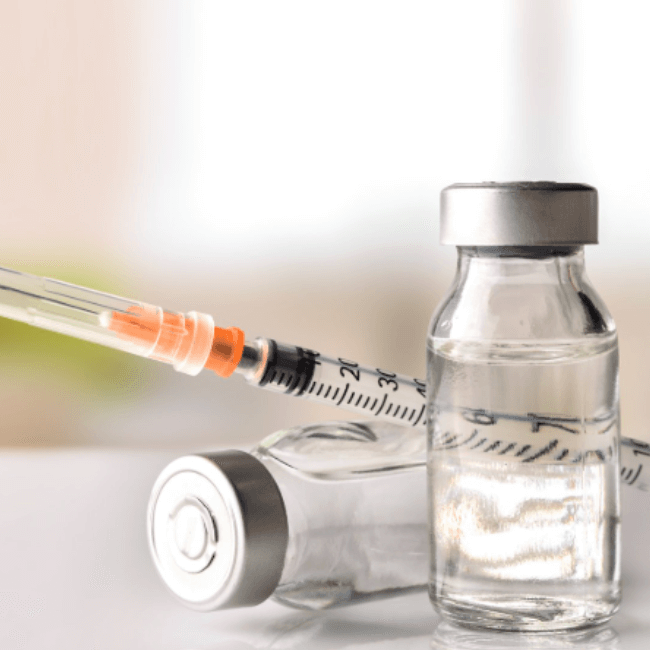
Peptides are one of the buzziest topics in health and wellness right now—but what exactly are they, why are so many people talking about them, and are they safe? Let’s discuss.
What Are Peptides?
At a basic level, peptides are short chains of amino acids – the building blocks of proteins – and act as messengers in the body. Because they influence hormones, metabolism, tissue repair, and other key systems, peptides have become popular in everything from weight management to skincare. And while some are used topically, the trend now has become injecting these proteins into the body, which means that discussing their safety is crucial.
Popular Categories and Uses of Peptides
Peptides are being explored (and marketed) for a variety of purposes. Here are some of the major categories people are using them:
1. GLP-1 Peptides for Weight Management
GLP-1 (glucagon-like peptide-1) receptor agonists are a class of medications originally developed to treat type 2 diabetes. They work by enhancing insulin secretion and slowing gastric emptying, which helps regulate blood sugar and increases feelings of fullness. If you want a deeper dive on these and whether or not you should take them, you can read more here and here. But the bottom line is, these are FDA-approved, so for the right reasons and under the proper medical and nutrition supervision, they may be for you.
2. Insulin for Diabetes Management
Insulin is arguably the most well-known (and probably least “sexy”) peptide hormone in medicine. People with type 1 diabetes and some with type 2 diabetes require insulin to regulate blood glucose. While crucial and lifesaving for people with diabetes, insulin must be used carefully under medical guidance and dosed properly in conjunction with food to avoid dangerous fluctuations in blood sugar.
3. Cosmetic and Skin-Focused Peptides
Peptides are have been used in topical products to support skin health – to help with collagen synthesis, skin elasticity, or healing. While not as potent as injectable treatments, they are generally well-tolerated when formulated properly. More recently, injectables like GHK-Cu (Copper Peptide), KPV tripeptide, and Argireline (Acetyl Hexapeptide-8) have become popular, especially among social media influencers.
4. Performance and Recovery Peptides
Injectable peptides have been used to boost muscle growth, improve recovery, and enhance performance, such as BPC-157 (Body Protection Compound) or TB-500 (Thymosin Beta-4), and growth hormone-releasing peptides (GHRPs). Due to anti-doping rules, professional athletes are actually not allowed to use these. However, influencers have now shown an interest in them and have started using them for their own performance and recovery. Many of these are still under investigation, and their safety profiles are not fully established while others are only FDA-approved for specific populations.
Risks of Using Peptides—Especially Without FDA Approval
Despite the hype, many peptides marketed online or through unregulated channels are not FDA-approved for human use. Even FDA-approved peptide medications can be risky if used incorrectly. Buying and self-injecting such products can pose serious risks, including:
Unknown quality and purity: Products sold outside regulated channels may be contaminated or mislabeled.
Incorrect dosing: Without proper medical guidance, dosing errors can lead to adverse effects.
Unexpected side effects: Peptides can interact with hormones and bodily systems in complex ways. Short-term use without oversight can lead to long-term issues.
The Bottom Line
Peptides have exciting potential in medicine and wellness, but they’re not a magic bullet and most are not ready, or even appropriate for widespread consumption.. Whether you’re considering them for weight management, a medical condition, cosmetic benefits, or performance enhancement, safety and effectiveness depend on which peptide you’re using and how it’s being prescribed and monitored. We know it can be tempting to jump on the latest health trend bandwagon, especially when your favorite influencer is doing it, but you should always consult a healthcare professional before starting any peptide therapy—your health deserves nothing less.